Avera Healthcare Organization Releases Measles Information
Avera Healthcare Organization Releases Measles Information
Avera Healthcare Organization officials released pertinent information regarding measles. This data was prepared by Kara Bruning, MD, Avera pediatrician, and Peter Paul Lim, MD, infectious disease specialist.
Measles is one of the most contagious of any known viral infection. It is more contagious than smallpox, tuberculosis or Ebola. It has an attack rate of 90 percent, meaning about nine out of 10 susceptible people can be infected if exposed to an infected patient with measles. A person infected with measles is contagious for four days before and four days after the rash eruption. The incubation period is usually seven to 21 days from the time of exposure depending on a patient’s immune status. With measles, isolation during this dangerous time is very important.
Much like the viral illnesses that pop up every fall through spring, the measles virus is an airborne virus and is transmitted via coughing, sneezing or other air droplets that can live in the air for two hours. Washing hands, social distancing when appropriate, and practicing good hygiene will help decrease the chance of spreading.
Immuno-compromised patients can take up to 28 days to start having symptoms from their time of exposure.
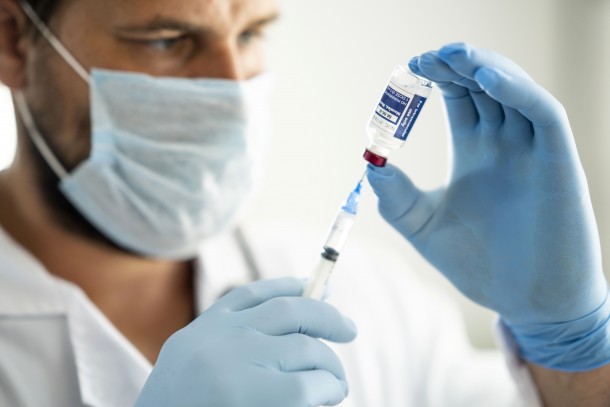
A person needs two vaccines to be protected for their lifetime from contracting measles. This vaccine has been providing excellent protection from this disease for over 50 years. Avera Health follows the United States Centers for Disease Control and Prevention (CDC) recommends the vaccine schedule for children to be their first dose at 12 to 15 months, and their second dose administered between the ages of four to six years old.
Avera Health states that there is no need to get a booster as an adult, but you can seek out a single measles vaccination to ensure coverage.
It is rare that a vaccinated person would become infected. One shot of the measles vaccine is 93 percent effective, and two doses boost that efficacy to 97 percent.
If someone is vaccinated and becomes infected, the breakthrough case would be significantly less severe.
If a child is under 6 months old or too young for the Measles-Mumps-Rubella Vaccination (MMR) vaccine but a family still needs to travel, there are a few warnings. The safest thing to do is to not travel. It’s also important for the parents to be vaccinated to help protect children who are too young to receive the vaccine.
It can be very hard to diagnose measles, there are several major symptoms of measles to watch for. The virus initially presents itself with common flu-like symptoms before it starts spreading throughout the body. Symptoms such as flu-like symptoms, diarrhea, high fever, and flat red spots possibly indicate measles.
About three days after those flu-like symptoms, the flat red spots start covering the skin like a rash. The spots tend to start at the head and work their way down the body.
Measles is best treated through preventive vaccination. If someone chooses not to get vaccinated and does get infected, treating the measles is addressed primarily by supportive care and managing the symptoms.
The biggest concern with measles is a patient having a severe side effect. One out of every five children who get the measles will have some sort of severe side effect like an ear infection, pneumonia, or brain swelling which is why seeking care and getting a diagnosis early is critical.